
Personal Finance Monies: Your Guide to Managing Funds in NZ
Comprehensive guidance on managing personal ‘monies’ in New Zealand, including KiwiSaver, inheritance, and general financial planning.
Hey there, future financial wizard! Ever wonder how to get a grip on your cash in New Zealand? Whether it’s the pocket money you’ve saved up, your KiwiSaver funds, or even if you’re thinking about managing inheritance monies in New Zealand, this guide is for you! We’re going to break down all things personal finance, making it super easy to understand so you can make smart choices with your hard-earned (or inherited!) dough. Let’s dive in and turn you into a money boss!
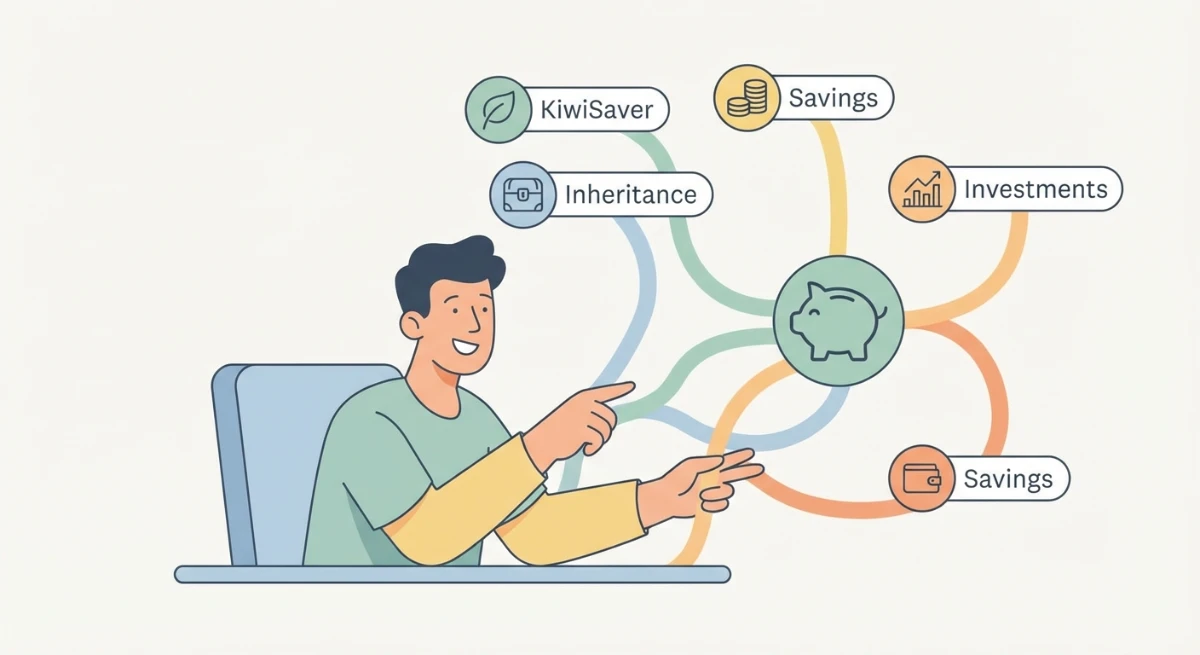
Understanding your finances might seem like a huge mountain to climb, but trust us, it’s more like a series of gentle hills once you know the path. In NZ, we have unique systems and opportunities, from our government-backed KiwiSaver scheme to specific rules around handling money you might inherit. This article will walk you through the essentials, helping you build a strong financial foundation, no matter your age or current situation. Get ready to feel confident about your money!
Managing Your KiwiSaver Monies
KiwiSaver is like a special savings club for your retirement, or for buying your first home. If you’re working, a bit of your pay usually goes into it, and your boss might even add some too. Plus, the government often tops it up! It’s pretty cool because it’s designed to help you save for big life goals without you having to think about it too much.
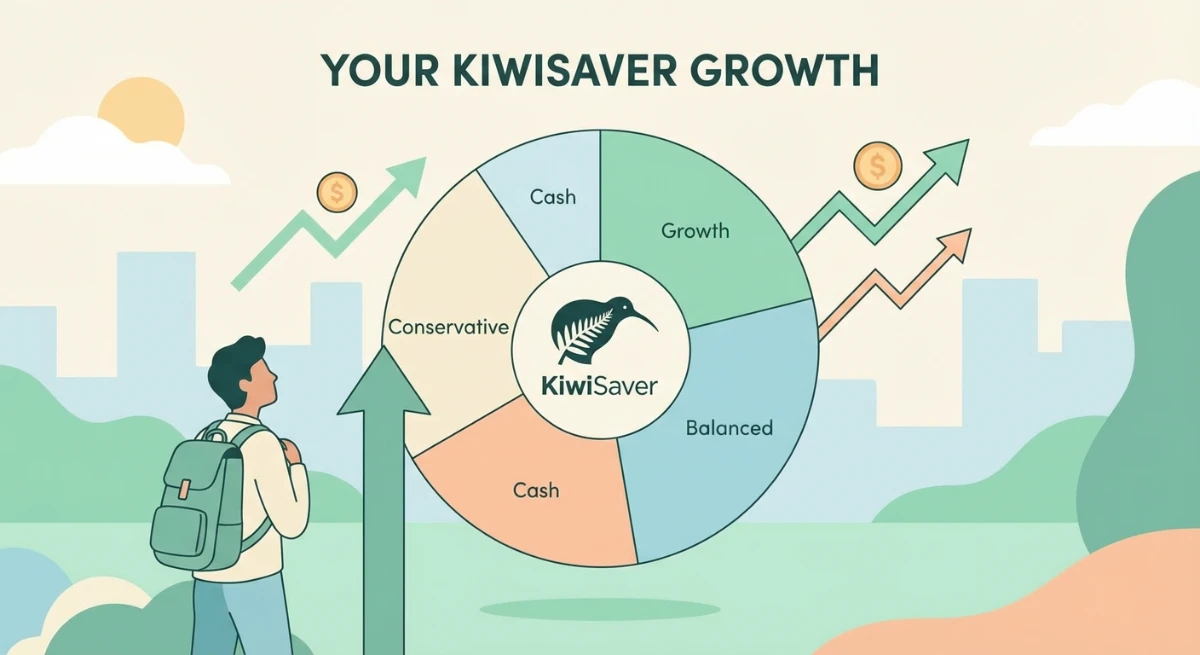
Choosing the Right Fund: Not all KiwiSaver funds are the same! They range from ‘conservative’ (lower risk, lower potential returns) to ‘growth’ (higher risk, higher potential returns). Think about how long you plan to save and how comfortable you are with your money going up and down a bit. If you’re young and have ages till retirement, a growth fund might be a good fit because you have time to ride out the bumps. If you’re close to buying a house, you might want something more conservative.
- Conservative Funds: Mostly invested in things like cash and bonds. Less risky, but usually lower returns.
- Balanced Funds: A mix of conservative and growth assets. Medium risk, medium returns.
- Growth Funds: More invested in shares. Higher risk, but often better returns over the long term.
Checking Your KiwiSaver: It’s a good idea to log into your KiwiSaver provider’s website regularly. You can see how much money you have, how it’s performing, and make changes to your fund type if needed. Don’t just set it and forget it forever!
Using KiwiSaver for a First Home
One of the coolest things about KiwiSaver is you can use it to help buy your first home! After saving for a certain amount of time, you might be able to withdraw most of your savings (excluding the government’s initial kick-start) for a deposit. There’s also a ‘First Home Grant’ from the government if you meet certain criteria. Definitely look into this if owning your own pad is a dream!
Handling Inheritance Monies in New Zealand
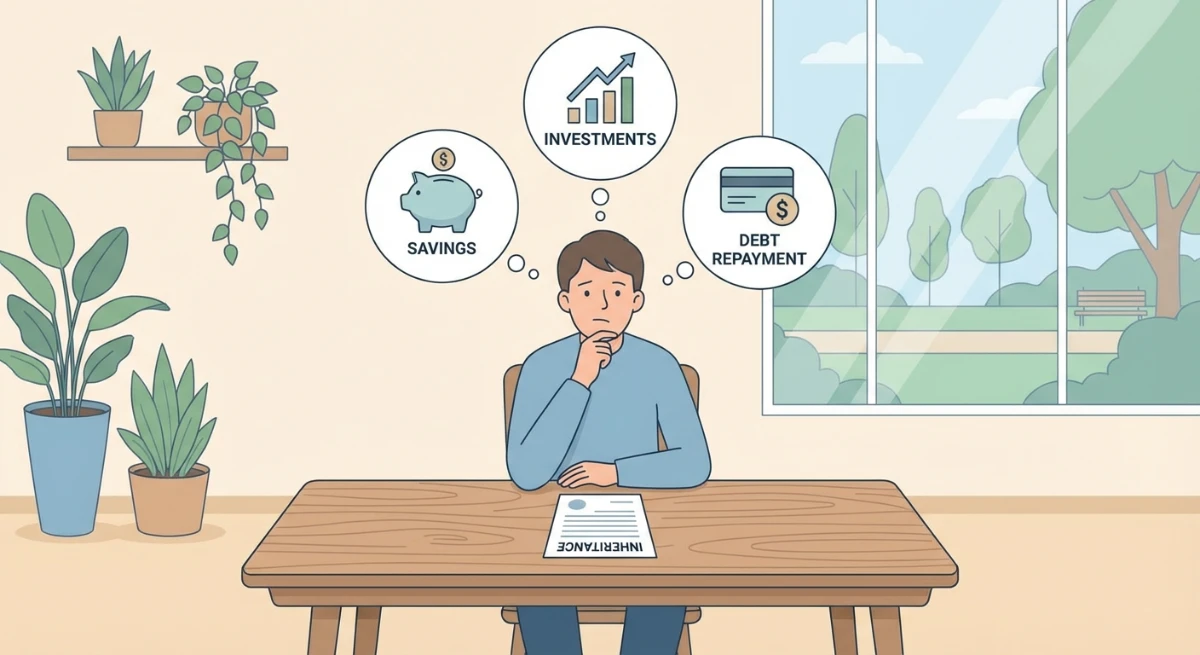
Receiving an inheritance can be a really big deal, bringing mixed emotions. It’s a significant financial boost, but it often comes during a tough time. The most important thing is not to rush into spending it. Take a deep breath and make a plan. When managing inheritance monies in New Zealand, there are a few key things to consider.
Immediate Steps After Receiving an Inheritance
- Don’t Rush: Seriously, park the money in a safe, accessible account (like a high-interest savings account) while you think.
- Seek Advice: Talk to a trusted financial advisor. They can help you understand your options and create a strategy that fits your goals.
- Understand Tax Implications: Good news! In New Zealand, generally, inheritances themselves aren’t taxed. However, any income you earn *from* investing that money (like interest or dividends) will be taxed.
What to do with it? Here are some ideas:
- Pay Down Debt: If you have high-interest debt (like credit card debt or personal loans), paying that off can be a super smart move. It’s like getting a guaranteed return on your money!
- Build an Emergency Fund: Life happens! Having 3-6 months’ worth of living expenses saved in an easily accessible account can be a massive stress reliever.
- Invest for the Future: Once debts are managed and you have an emergency fund, consider investing. This could mean adding to your KiwiSaver, buying shares, or investing in property. An advisor can help you choose the right path.
- Major Purchases: Maybe you’ve always dreamed of buying your first home or getting a new car. An inheritance can certainly help, but make sure it aligns with your overall financial plan.
Remember, this money is a gift, and it’s your chance to set yourself up for future success. Don’t let it slip through your fingers without a thought!
Budgeting and Savings Strategies
Budgeting might sound boring, but it’s actually your superpower for controlling your money. It’s simply knowing how much money you have coming in and where it’s all going. Once you know that, you can make smart choices about spending and saving.
The 50/30/20 Rule: A Simple Budgeting Hack
This is a popular and easy way to budget your income after tax:
- 50% for Needs: Rent, groceries, transport, utilities, minimum debt payments.
- 30% for Wants: Eating out, subscriptions, entertainment, new clothes.
- 20% for Savings & Debt Repayment: Emergency fund, investments, extra debt payments.
Try it out! See if your spending fits these categories. If not, don’t worry, you can adjust it to suit your life, but it’s a great starting point.
Smart Savings Tips
Saving isn’t just about putting money aside; it’s about making it work for you!
- Automate Your Savings: Set up an automatic payment to move money from your everyday account to a savings account the day after you get paid.