
Kids KiwiSaver is a voluntary investment scheme in New Zealand available to children under the age of 18. While minors are not eligible for the annual government contribution or compulsory employer matching, opening a Kids KiwiSaver account provides a tax-efficient, long-term vehicle that leverages compound interest, locking funds away until the child purchases their first home or reaches retirement age.
Investing for your children is one of the most powerful financial gifts you can provide. In New Zealand, the landscape of kids KiwiSaver and custodial investment accounts has evolved significantly, offering parents, grandparents, and guardians accessible ways to build intergenerational wealth. Whether you are looking to lock funds away for a first home deposit or create a flexible education fund, understanding the nuances of the New Zealand market is essential.
What is Kids KiwiSaver?
KiwiSaver is not just for the workforce. In New Zealand, parents can open a KiwiSaver account for their children from birth. Unlike adult accounts, a kids KiwiSaver account is purely voluntary. There is no requirement to contribute a set percentage of income (as most children do not have income), and the funds are invested in the same managed funds available to adults.
The primary differentiator of a KiwiSaver account compared to a standard savings account is the risk-return profile and the access rules. Money put into KiwiSaver is invested in assets like shares, property, and bonds, which historically provide higher returns than bank deposits over the long term. However, the trade-off is liquidity; the money is generally inaccessible until the child is 18 and buying a first home, or until they turn 65.
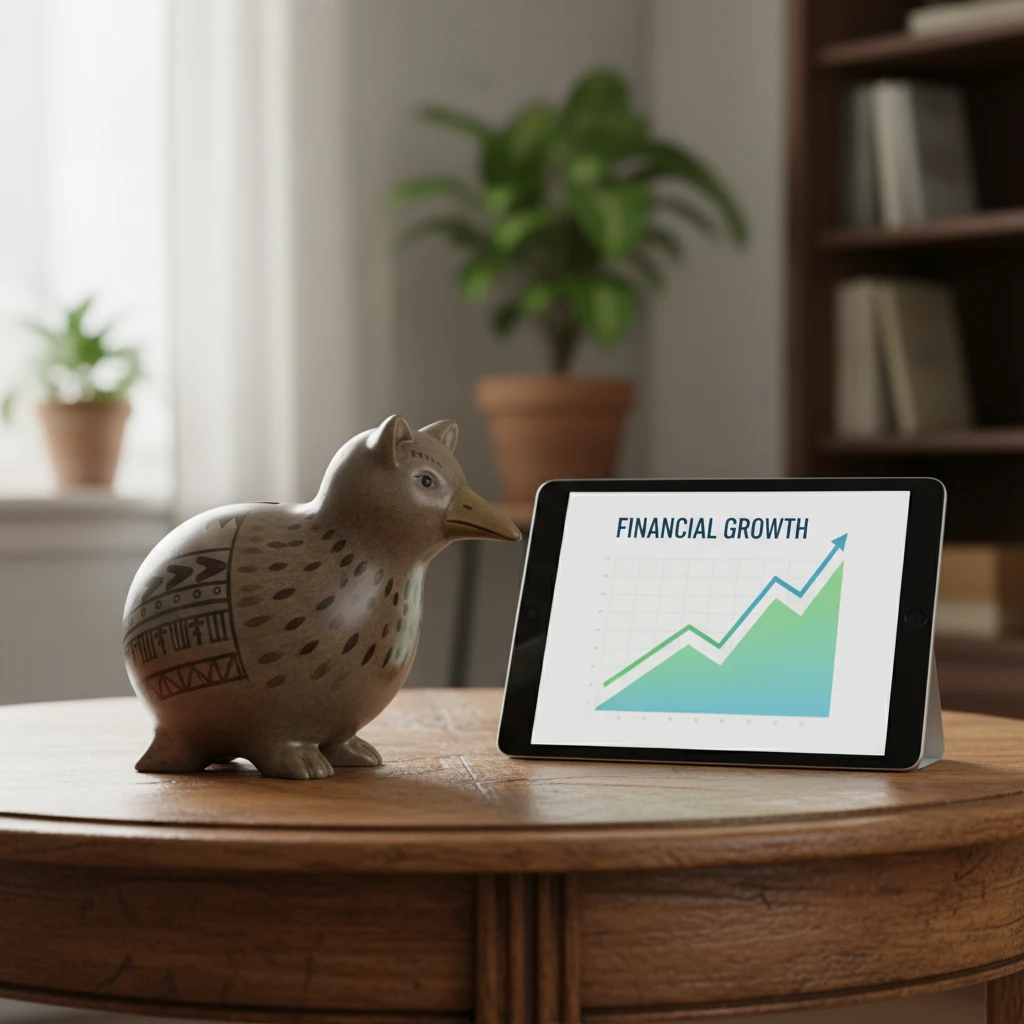
The Pros and Cons of KiwiSaver for Children
Before committing to a provider, it is crucial to weigh the benefits against the restrictions. KiwiSaver is a powerful tool, but it is not the only tool in the shed.
The Advantages
- Forced Savings (Lock-in): The strict withdrawal rules prevent the money from being spent on frivolous items during teenage years. It ensures the funds are used for significant life milestones, specifically a first home deposit.
- Low Fees for Kids: Many NZ providers (such as Simplicity, Juno, and others) waive or reduce membership fees for balances under certain thresholds or for members under 18.
- First Home Grant Eligibility: While the rules change, having a KiwiSaver history contributes to the longevity requirements for various Home Start grants or future government housing assistance schemes.
- Compound Growth: Because the money cannot be touched, it remains invested during market highs and lows, maximizing the effect of compounding over 18+ years.
The Disadvantages
- No Government Contribution: The annual Government Contribution (formerly Member Tax Credit) of up to $521.43 is only available to members aged 18 to 65. Children do not receive this free money.
- No Employer Matching: Even if a teenager has a part-time job, employers are not legally required to match KiwiSaver contributions for employees under 18, though some good employers may choose to do so voluntarily.
- Inflexibility: If the child needs money for university tuition, a car, or travel, KiwiSaver funds cannot be accessed.
How to Open a KiwiSaver Account for a Child
Opening a kids KiwiSaver account requires the involvement of legal guardians. The process varies slightly between providers but generally follows strict anti-money laundering (AML) protocols.
Age Brackets and Sign-up Authority
- Under 16: All legal guardians (usually both parents) must sign the application form. You cannot open an account with just one signature unless you have sole guardianship proof.
- Aged 16 to 17: The child can co-sign with one guardian. In some specific provider cases, a 16-year-old may sign up independently if they have their own photo ID and bank account, though most providers still prefer guardian oversight.
Documentation Required
To ensure a smooth application process, have the following ready:
- The Child’s IRD Number: If your child does not have one, you must apply via Inland Revenue.
- Birth Certificate: To prove the relationship between the child and the guardians.
- Proof of ID and Address for Guardians: Standard AML checks apply to the parents.
- Proof of Bank Account: A deposit slip or statement for the account from which contributions will be made.

The Magic of Compound Interest: Real Examples
The greatest asset a child has is time. Albert Einstein famously called compound interest the “eighth wonder of the world.” When investing for kids, you have an 18 to 20-year horizon, which allows returns to generate their own returns.
Scenario A: The Late Starter
If a child starts investing at age 20, putting aside $50 a week until age 65 (assuming a 7% average return after fees and tax), they would end up with approximately $780,000.
Scenario B: The Kids KiwiSaver Advantage
If parents invest just $20 a week into a growth fund for a child from birth until age 18, and then the child continues contributing $50 a week from age 18 to 65:
- At age 18, the account would be worth approximately $35,000 (from just $20/week).
- By age 65, without adding any extra lump sums, that head start compounds significantly. The final balance would be significantly higher, potentially exceeding $1.2 million.
Note: These figures are hypothetical examples to demonstrate the power of time and do not account for inflation or changing tax laws.
Alternatives: Sharesies, Hatch, and Managed Funds
While kids KiwiSaver is excellent for a first home, many parents want flexibility. They want to save for education, a first car, or a gap year. This is where custodial accounts and investment platforms come into play.
Sharesies Kids Accounts
Sharesies has popularized investing in New Zealand. A Kids Account on Sharesies is a custodial account, meaning the adult manages it, but the assets legally belong to the child.
- Pros: Access to individual companies (Air New Zealand, Apple, Tesla) and ETFs. Low barrier to entry (invest with 1 cent). User-friendly interface that can be used to teach kids about money.
- Cons: Transaction fees apply. It requires active management unless you set up auto-invest into funds.
Hatch Kids Accounts
Hatch specializes in the US share markets. This is ideal if you want your child to own a slice of the global giants they recognize, like Disney or McDonald’s.
- Pros: Direct access to US markets. Flat transaction fees which can be cost-effective for larger lump sums.
- Cons: FX (Foreign Exchange) fees apply when converting NZD to USD.
InvestNow and Managed Funds
InvestNow offers a “Foundation Series” and access to other fund managers (like Milford, Fisher Funds, or Vanguard) without the platform fees associated with some apps.
- Pros: No transaction fees on managed funds. Set-and-forget nature.
- Cons: Interface is less “gamified” and engaging for children compared to Sharesies.
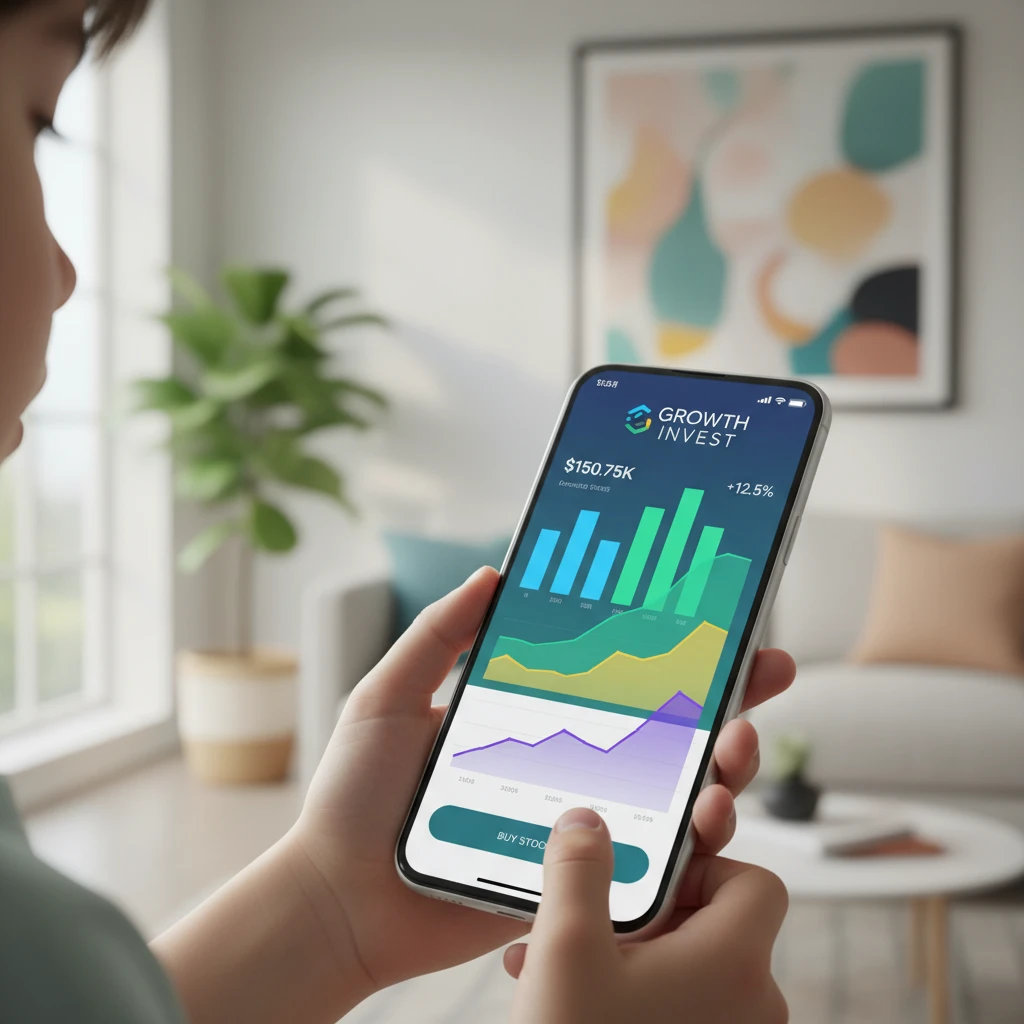
Navigating Tax: PIR and RWT Explained
Tax can erode investment returns if not set up correctly. In New Zealand, children are taxed as individuals, which usually means they fall into the lowest tax brackets. However, you must explicitly set this up.
Prescribed Investor Rate (PIR) for KiwiSaver
For KiwiSaver and Portfolio Investment Entities (PIEs), you must select a PIR. If you do not select one, the default is 28%, which is likely too high for a child.
- The Correct Rate: For almost all children, the PIR should be 10.5%. This applies if their taxable income is $14,000 or less and their PIE income is $48,000 or less (which covers the vast majority of kids).
- Action: Check your provider settings immediately. If you are paying 28%, you cannot claim back the overpaid tax in many cases.
Resident Withholding Tax (RWT) for Bank Savings and Shares
For savings accounts or direct share investments (not PIEs), RWT applies. Again, the default rate is often 33% if no IRD number is provided, or higher than necessary.
- The Correct Rate: Children earning less than $14,000 annually should generally be on an RWT rate of 10.5%.
- Important: Do not use your (the parent’s) IRD number for the child’s account, or the interest will be taxed at your marginal tax rate (likely 33% or 39%). Always use the child’s IRD number.
Choosing the Right Fund Type
When setting up a kids KiwiSaver or investment fund, the default option is often a “Conservative” or “Balanced” fund. However, for a child with an investment horizon of 15 to 18 years, these are often the wrong choices.
Why Growth or Aggressive Funds?
Volatility is the price you pay for performance. Over a short period (1-3 years), the stock market can drop significantly. However, over a long period (10+ years), growth assets (shares/property) have historically outperformed income assets (cash/bonds).
Because a child cannot access their KiwiSaver funds for nearly two decades, they can ride out several market crashes. Therefore, most financial advisers recommend placing children’s investments in Growth or Aggressive funds to maximize the potential balance at age 18.

Conclusion: The Best Time to Start is Now
Whether you choose a kids KiwiSaver scheme for the disciplined lock-in and first home benefits, or a flexible platform like Sharesies for education funding, the mechanics of success are the same: start early, minimize fees, optimize tax, and choose high-growth assets.
By taking the time to set up these accounts correctly today, you are not just saving money; you are buying your child options, freedom, and financial security for their future.
Can I open a KiwiSaver for my baby?
Yes, you can open a KiwiSaver account for a baby as soon as they are born. You will need their birth certificate and IRD number. Both legal guardians must generally sign the application forms.
Do kids get the government contribution in KiwiSaver?
No. The annual Government Contribution (formerly Member Tax Credit) is only available to KiwiSaver members aged 18 to 65. However, children still benefit from the compound growth of their own investments.
Can I withdraw my child’s KiwiSaver for education?
No. KiwiSaver funds are locked in until the age of 65. The only standard exception is for a first home withdrawal. Education costs are not currently a valid reason for early withdrawal.
What is the best investment app for kids in NZ?
The “best” app depends on your goals. Sharesies is excellent for user experience and teaching kids about shares. InvestNow is great for fee-free managed funds. Simplicity offers low-fee ethical funds. KiwiSaver is best for locked-in long-term savings.
What tax rate do children pay on investments?
Most children should be on a Prescribed Investor Rate (PIR) of 10.5% for KiwiSaver and PIE funds, provided they earn less than $14,000 per year. Ensure you use the child’s IRD number, not the parent’s.
Is Sharesies better than KiwiSaver for kids?
They serve different purposes. KiwiSaver is better for enforcing savings for a first home. Sharesies is better if you need the money accessible for university, a car, or travel before the child buys a house.


