
Payday loans in NZ are high-cost, short-term consumer credit contracts designed to bridge the gap between paycheques. While accessible, they are regulated under the CCCFA with interest capped at 0.8% per day. Due to high risks of debt spirals, New Zealanders are strongly advised to utilize safer alternatives like no-interest microfinance, WINZ advances, or bank overdrafts.
In the current economic climate, many New Zealanders face unexpected financial shortfalls. Whether it is a sudden car repair, a dental emergency, or simply the rising cost of living, the temptation to search for “payday loans nz” is understandable. However, immediate cash often comes with long-term consequences. Before committing to a high-interest lender, it is crucial to understand the landscape of New Zealand personal finance and the robust, safer alternatives available to you.
The Real Cost of Payday Loans in New Zealand
Payday loans are classified as high-cost consumer credit contracts. In New Zealand, the regulations surrounding these loans were tightened significantly with the changes to the Credit Contracts and Consumer Finance Act (CCCFA) in 2020 and further updates in 2021 and 2024. Despite these regulations, they remain an expensive way to borrow money.
When you take out a payday loan, you are not just paying back the principal. You are often subject to an establishment fee and interest rates that, while capped, are significantly higher than any standard bank product. The law currently caps the interest and fees at 100% of the amount borrowed—meaning if you borrow $500, you will never pay back more than $1,000 total. While this prevents the infinite debt spirals of the past, paying double for an emergency expense is financially debilitating for most households.

The Debt Spiral Mechanism
The danger lies in the short repayment window. Because the loan is deducted directly from your next pay, you are left with less money for the following week’s essential expenses like rent, power, and food. This often forces the borrower to take out a second loan to cover those basics, creating a cycle that is difficult to break. This is why financial advisors universally recommend exhausting all other avenues before approaching a payday lender.
Top Non-Profit Microfinance Alternatives
New Zealand is unique in that it has a well-established network of ethical, non-profit lenders designed specifically to help people avoid predatory lending. These organizations prioritize your financial wellbeing over profit.
Good Shepherd NZ: No Interest Loan Scheme (NILS)
Good Shepherd is a leading provider of fair financial services. Their No Interest Loan Scheme (NILS) offers loans up to $1,500 with absolutely zero interest and no fees. These loans are typically available for essential goods and services, such as:
- Medical and dental costs
- Car repairs and registration
- Household appliances (fridges, washing machines)
- Computers for school or work
To qualify, you generally need to have a Community Services Card and show that you can repay the loan over a 12 to 18-month period. This is the gold standard alternative to a payday loan because every dollar you repay goes toward the principal, not into a lender’s pocket.
Ngā Tāngata Microfinance
Ngā Tāngata Microfinance works alongside budgeting services to provide fair credit. They offer two primary products designed to alleviate financial pressure:
- No Interest Loans (NILS): Similar to Good Shepherd, these assist with asset building and essential services.
- Debt Relief Loans: This is a critical tool for those already trapped by high-interest debt. Ngā Tāngata may pay off your existing high-interest payday loan, and you then repay Ngā Tāngata at 0% interest.
Accessing these loans usually requires you to work with a financial mentor. This ensures that you aren’t just getting money, but also receiving the support needed to stabilize your long-term financial situation.

Government Support: Work and Income (WINZ)
Before searching for private lenders, every New Zealander should check their eligibility for support from Work and Income (Te Hiranga Tangata). The government provides safety nets that do not carry the commercial risks of payday loans.
Recoverable Assistance Payments
If you are not on a benefit but are on a low income, you may still qualify for a Recoverable Assistance Payment. This is essentially an interest-free loan from the government to cover essential, immediate needs. Repayments are set at a manageable rate based on your income, ensuring you are not left destitute.
Advance Payment of Benefit
If you are already receiving a benefit, you can apply for an Advance Payment. This allows you to access up to six weeks of your benefit payments upfront (in certain circumstances) to pay for emergencies like whiteware, glasses, or car repairs. The money is then paid back through small deductions from your future benefit payments over a period of up to two years, making the cash flow impact much softer than a payday loan.
Food Grants and Hardship Assistance
Sometimes the need for cash is driven by grocery shortfalls. WINZ offers Food Grants which do not need to be paid back. Utilizing a Food Grant to free up your own cash for other bills is a far superior financial strategy than borrowing money at 0.8% interest per day.
Bank Overdrafts vs. Payday Lenders
Many consumers overlook their main bank when facing a crisis, assuming they will be declined. However, New Zealand banks (such as ANZ, BNZ, Westpac, Kiwibank, and ASB) have obligations to assist customers experiencing financial hardship.
The Mathematics of Overdrafts
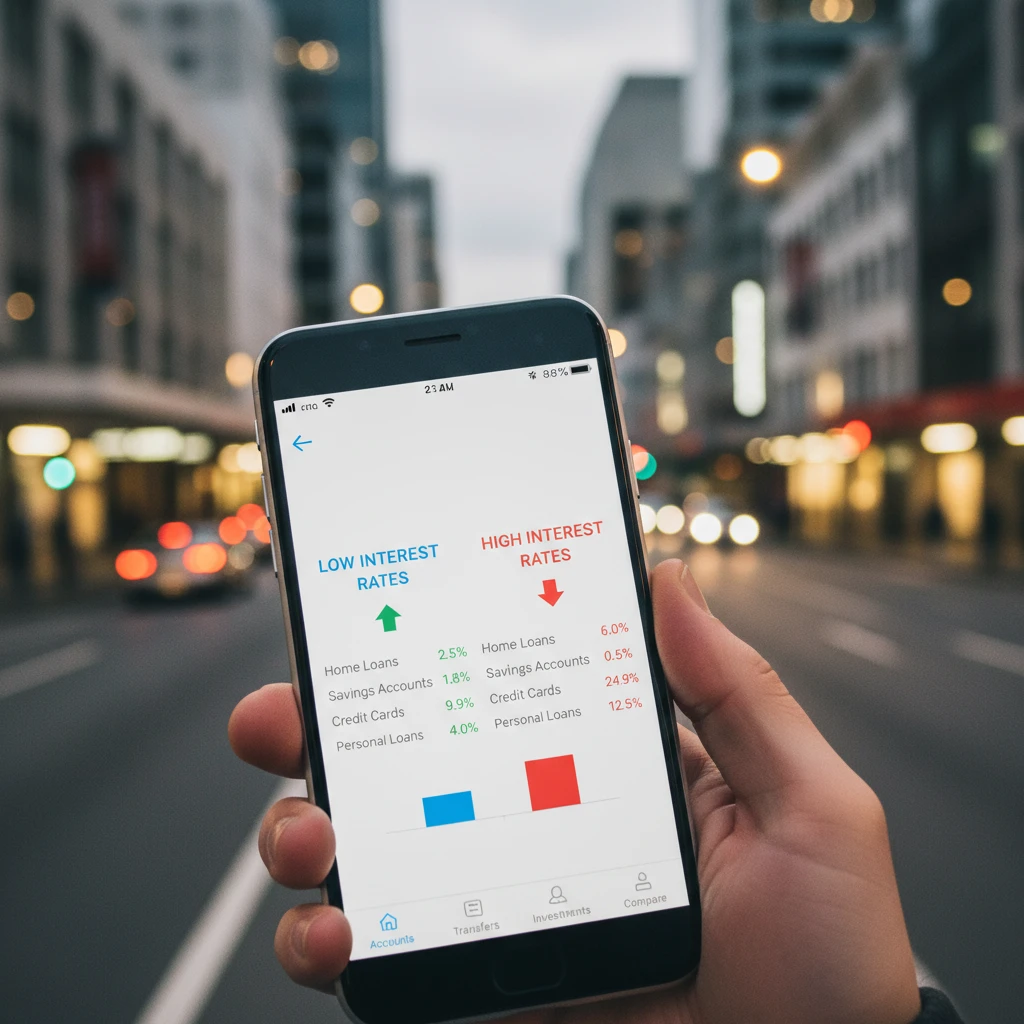
While bank overdrafts are not cheap, they are significantly less expensive than payday loans. An unarranged overdraft might charge 20-30% per annum. In contrast, a payday loan charges that same amount in roughly one month. If you have a good history with your bank, applying for a temporary arranged overdraft limit is often a quick process that can be done via mobile apps.
Low-Rate Credit Cards
If you have a credit card, using it for an emergency is almost always cheaper than a payday loan, provided you pay more than the minimum repayment. Low-rate cards in NZ typically hover around 13% p.a. compared to the astronomical annualized rates of short-term lenders.
Compassionate Assistance
If you have a mortgage or personal loan and are struggling, contact your bank’s hardship team immediately. They can offer mortgage holidays, interest-only terms, or loan restructuring. This addresses the root cause of the cash flow problem rather than adding a new, more expensive debt on top of it.
Professional Budgeting and Financial Mentoring
The most effective alternative to borrowing is often restructuring your existing finances. In New Zealand,


