
Disbursement of Estate Monies in New Zealand
A guide to the process of distributing ‘estate monies’ after a death in New Zealand, including wills, probate, and beneficiary payouts.
Overview of Estate Administration
Hey everyone! Dealing with a loved one’s stuff after they pass away can feel like a huge puzzle, especially when it comes to their money. In New Zealand, this whole process is called estate administration, and it’s basically about making sure all the deceased person’s assets (like their bank accounts, property, and other valuables) get sorted out and given to the right people. This includes the important step of disbursement of estate monies New Zealand, which means handing out the cash and other assets as per their wishes, or by law if there’s no will.
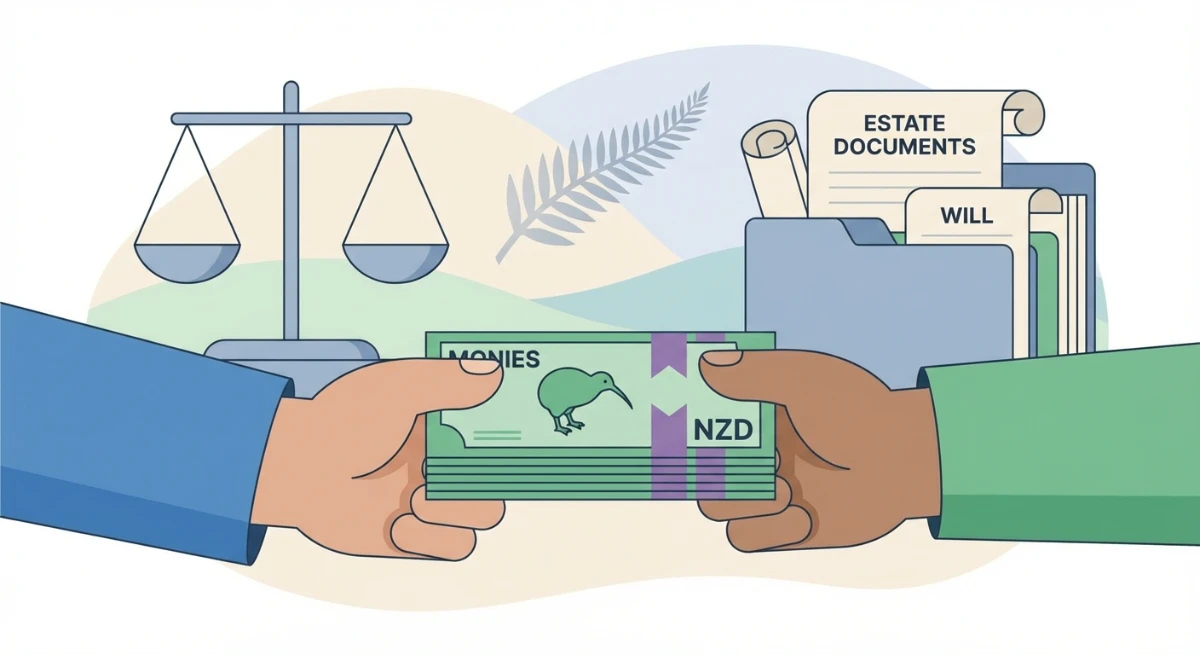
It’s not just about counting cash; it involves paying off any debts, settling taxes (if any), and then, finally, distributing what’s left to the beneficiaries. Think of it like a final financial tidy-up. Getting it right ensures everything goes smoothly and legally, which is super important to avoid any family disputes later on.
The estate administration process can vary a lot depending on whether the person left a will, how much stuff they owned, and how complicated their finances were. Sometimes it’s a straightforward task, other times it requires more formal legal steps like getting ‘probate’. We’ll dive into all these details so you can understand what to expect.
Role of the Executor
So, who’s the boss of this whole operation? That would be the executor. If a person makes a will, they usually name one or more executors to take charge. An executor is the person (or people) responsible for carrying out the instructions in the will. If there’s no will, the High Court will appoint an administrator, who basically does the same job.
Who is responsible for disbursing estate monies? The executor (or administrator) is legally responsible for this. Their job is a big one! It includes:
- Finding and valuing all the assets (like bank accounts, investments, property, cars, personal belongings).
- Identifying all debts (loans, credit card bills, utility bills, etc.).
- Obtaining probate or letters of administration from the High Court if necessary.
- Paying off all legitimate debts and expenses of the estate.
- Ensuring all necessary tax returns are filed.
- Finally, distributing the remaining assets and monies to the beneficiaries named in the will, or to those entitled by law.
It’s a role that requires attention to detail, patience, and often some legal knowledge. If you’re named as an executor, it’s a good idea to seek legal advice to make sure you’re doing everything correctly and protecting yourself from any potential issues.
Probate and Letters of Administration
Okay, this is where some legal terms come in, but don’t worry, we’ll break them down. Probate and Letters of Administration are official documents from the High Court that give the executor or administrator the legal authority to manage the deceased person’s estate.
Probate is needed when there’s a valid will. It’s essentially the court’s stamp of approval, confirming that the will is legitimate and that the named executor has the right to act. This is usually required if the deceased owned significant assets, like property, or had substantial bank balances, as institutions like banks often need this legal document before they’ll release funds or transfer ownership.
Letters of Administration are issued when there isn’t a will (this is called dying ‘intestate’) or if the named executor in the will isn’t able or willing to act. In this case, someone (usually the closest relative) applies to the court to be appointed as the administrator, and the Letters of Administration give them the same legal powers as an executor to manage the estate.
| Feature | Probate | Letters of Administration |
|---|---|---|
| Existence of Will | Yes, there is a valid will. | No will, or will is invalid/executor unavailable. |
| Applicant | Executor named in the will. | Closest living relative (administrator). |
| Purpose | Confirms will’s validity & executor’s authority. | Grants authority to administer estate without a will. |
| Legal Authority | Executor manages according to will. | Administrator manages according to NZ law (Administration Act 1969). |
The need for probate or letters of administration depends on the value and type of assets. Smaller estates might not always need it, as some banks have thresholds below which they’ll release funds without a court order. However, for most estates involving significant assets or property, these legal documents are crucial for the proper disbursement of estate monies New Zealand.
Distributing Monies to Beneficiaries
Alright, this is the part everyone’s usually waiting for – the actual payout! Once all debts are paid, taxes are sorted, and legal hurdles (like probate) are cleared, the executor can finally start the disbursement of estate monies New Zealand to the beneficiaries. The process is pretty structured.
First, the executor will check the will to see exactly who gets what. This could be specific amounts of money, particular items, or a percentage of the remaining estate. If there’s no will, the law (specifically the Administration Act 1969) dictates how the estate is divided among the closest relatives.
What is the timeline for distributing estate monies? There’s no fixed timeline, as every estate is different. Small, simple estates with a clear will and few assets might be wrapped up in a few months. More complex estates involving property sales, overseas assets, or disputes can take a year or even longer. Executors often wait at least six months from the date of probate/letters of administration before making final distributions, to ensure all debts and claims have been identified.
Are there taxes on inheritance monies in NZ? Good news! New Zealand doesn’t have inheritance tax, estate duty, or capital gains tax on inherited assets. So, beneficiaries generally receive their inheritance tax-free. However, if the inherited assets (like money invested or property rented out) then start generating income for the beneficiary, that new income would be subject to their regular income tax.
What happens if there is no will for estate monies? If someone passes away without a valid will (intestate), the law steps in to decide how their estate, including monies, is distributed. In New Zealand, the Administration Act 1969 sets out a hierarchy of who gets what. Typically, the spouse/partner and children are first in line, followed by parents, siblings, and so on. It’s a clear legal framework, but it might not always align with what the deceased person would have wanted, which is why having a will is so important!
The executor or administrator will usually require bank account details from beneficiaries and will make payments directly. It’s important for beneficiaries to keep in touch with the executor and provide any requested information promptly to avoid delays.
Typical Estate Administration Durations
3-6 Months
6-12 Months
12+ Months
Wrapping Up: Your Estate Monies Journey
Navigating the disbursement of estate monies New Zealand can seem daunting, but by understanding the key stages – from administration and the executor’s role to probate and the final distributions – you can feel more confident. Whether you’re an executor, a beneficiary, or just preparing for the future, knowing these steps is super helpful.
Remember, while this guide gives you a good overview, every estate is unique. For specific advice tailored to your situation, it’s always best to chat with a legal professional. They can provide expert guidance to ensure everything is handled correctly and efficiently, giving everyone peace of mind. Taking the time to plan now or understand the process can save a lot of stress down the line!